Rest Days & Recovery for People Who Lift and Run
Because progress isn’t just built in the gym or when you’re put on a run. It’s built when you rest.
If you’re someone who loves to lift heavy and chase a PB on your next run, first of all 🙋🏻♀️ - we like you already!
Hybrid training is powerful. It builds strength, endurance, resilience and serious confidence.
But here’s the truth most people ignore:
👉 You don’t just get fitter from training.
👉 You get fitter from recovering from training.
And if you want to keep lifting well, running strong, and avoiding thinking “why do my legs feel like concrete?” Then your recovery has to be intentional.
Let’s break it down.
Why Rest Days Are Non Negotiable
When you lift weights, you create microscopic muscle damage.
When you run, you place repeated stress through muscles, tendons and joints.
That’s not a bad thing - it’s how adaptation happens.
But adaptation only occurs when you allow your body time to repair.
You Need 1-2 Full Rest Days Per Week
For hybrid athletes (lifting + running), we recommend at least 1-2 full rest days every week.
A full rest day means:
No lifting
No running
No “I’ll just do a quick HIIT”
No turning your recovery day into a secret workout
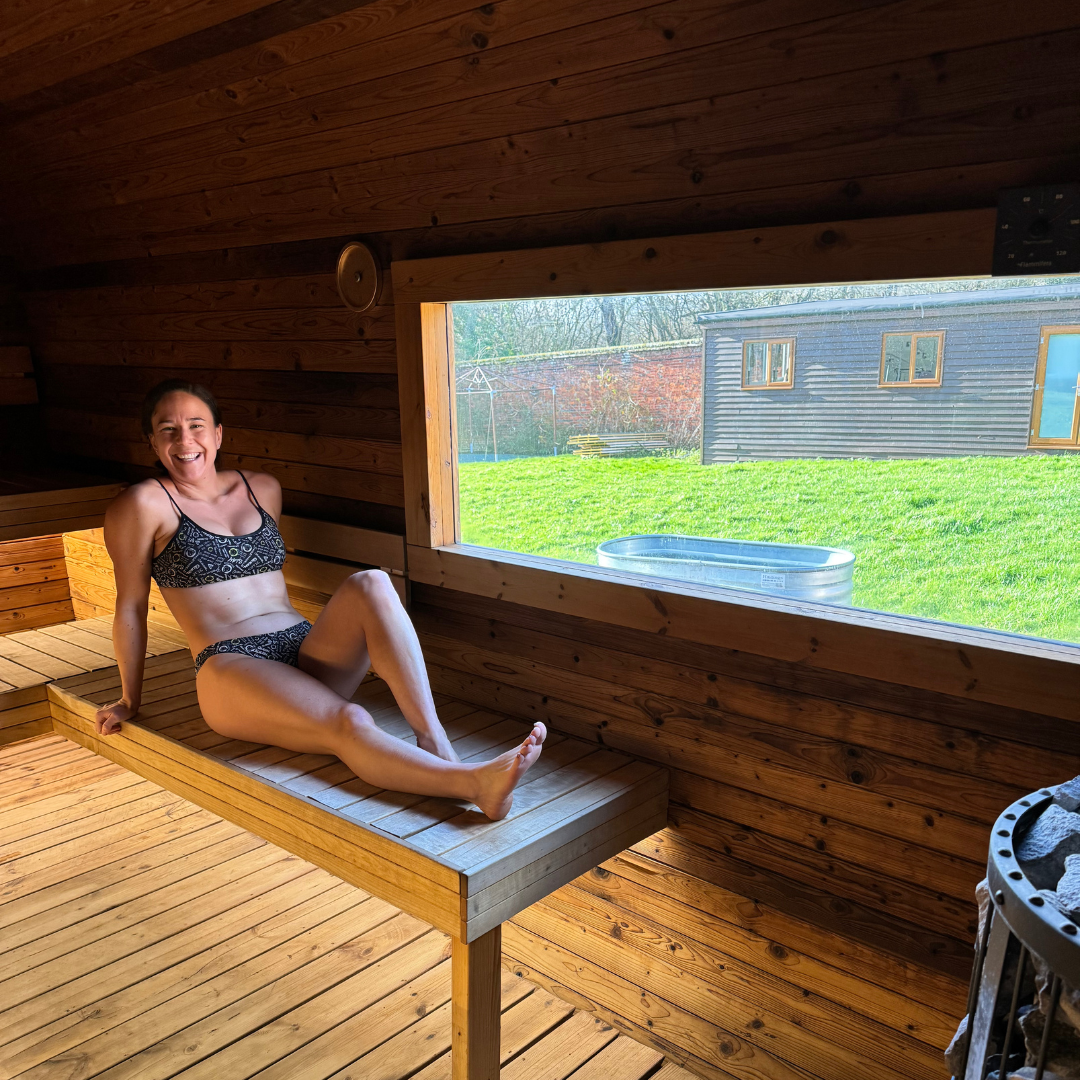
You can walk, gently stretch, or focus on mobility - but your nervous system and muscles need a genuine break.
Why it matters:
Reduces injury risk
Allows muscle repair and growth
Restores nervous system balance
Supports hormone health
Improves performance in your next session
Ironically, the athletes who rest properly are the ones who progress faster.
Mobility & Stretching: The Missing Piece for Lifters Who Run
If you lift and run, you’re loading your body in different but equally demanding ways.
Lifting builds strength through controlled ranges.
Running is repetitive and impact-based.
Without mobility work, you end up with:
Tight hip flexors
Stiff ankles
Overworked calves
Grumpy lower backs
Shoulders that feel stuck overhead
Follow Along With Us (For Free )
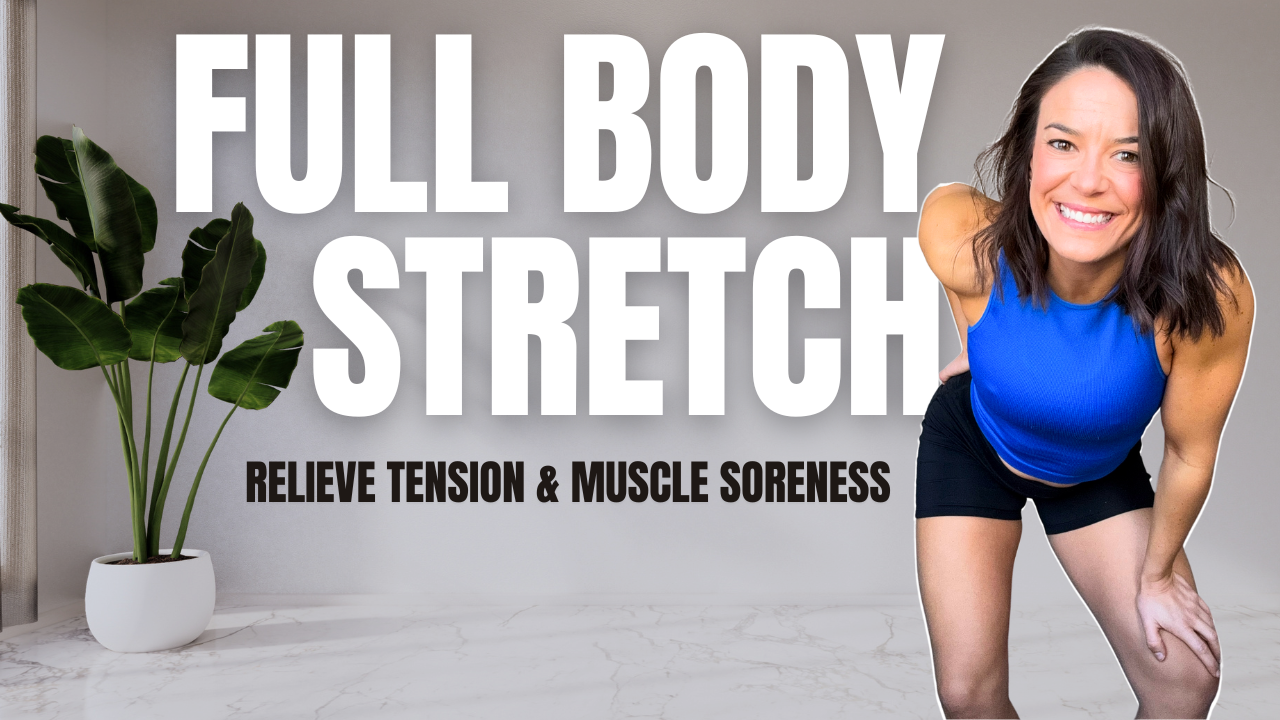
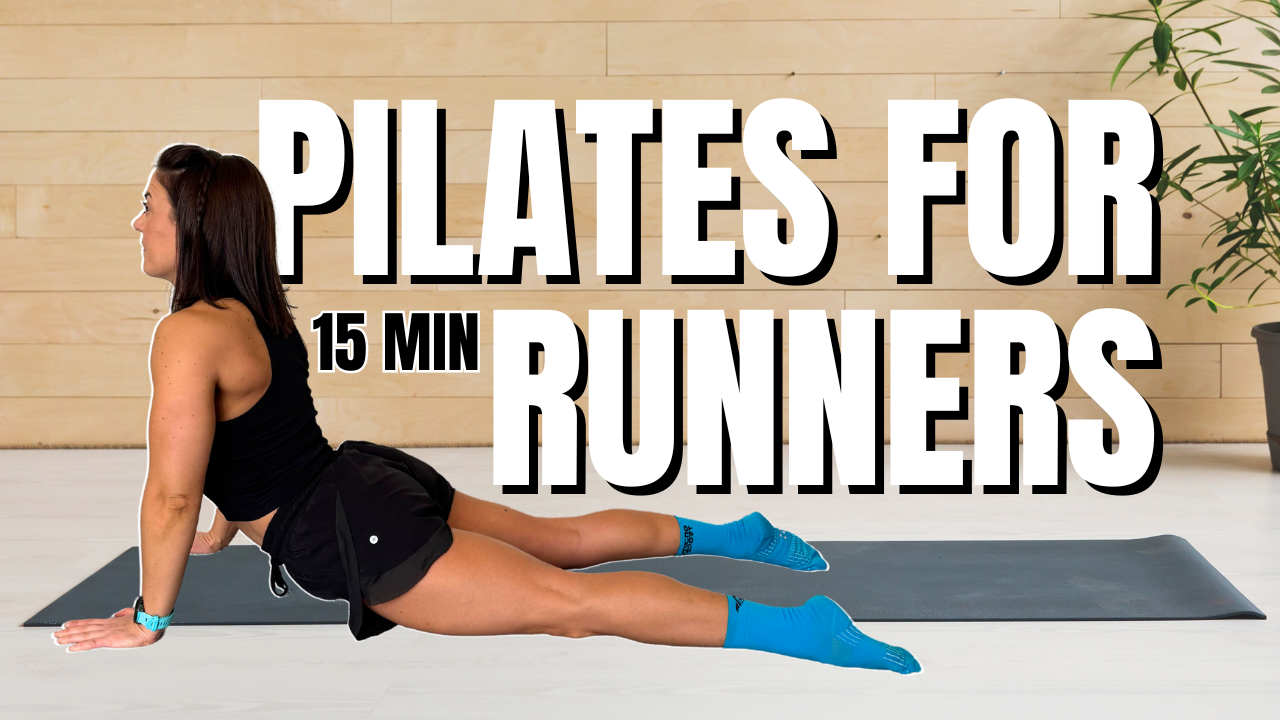
If you’re someone who knows you should stretch…but never quite get around to it - we’ve made it easy.
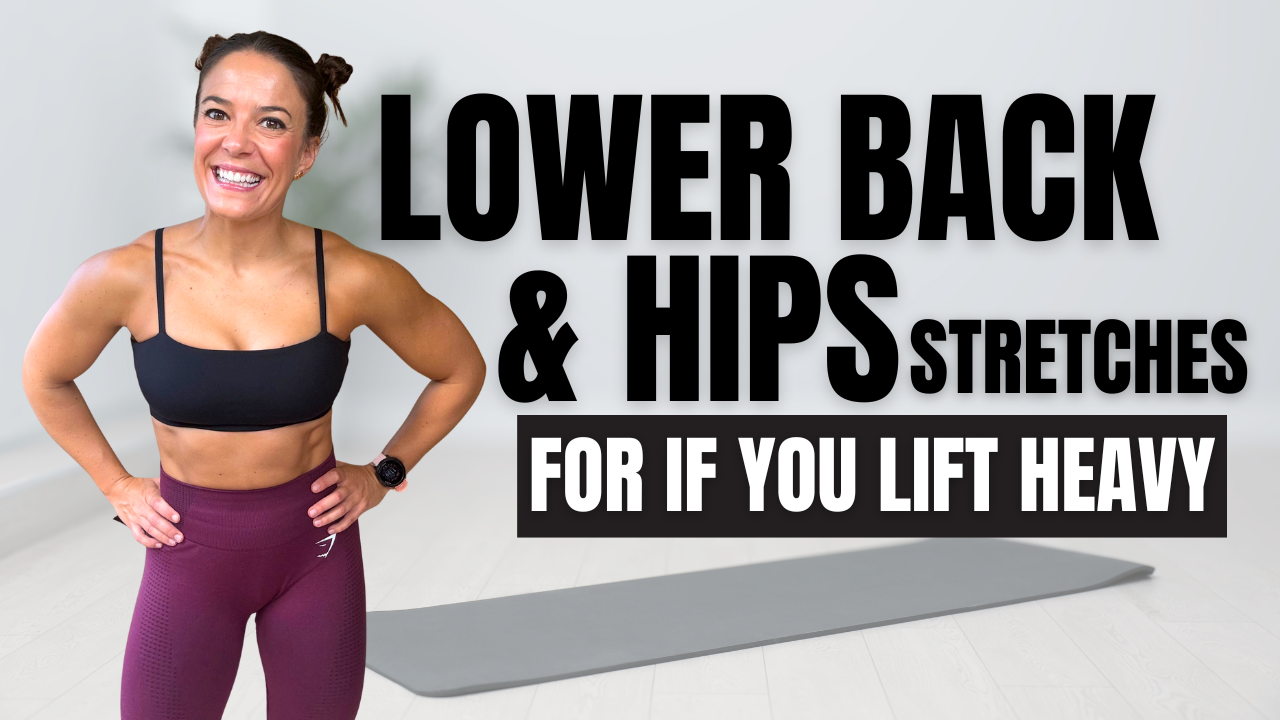
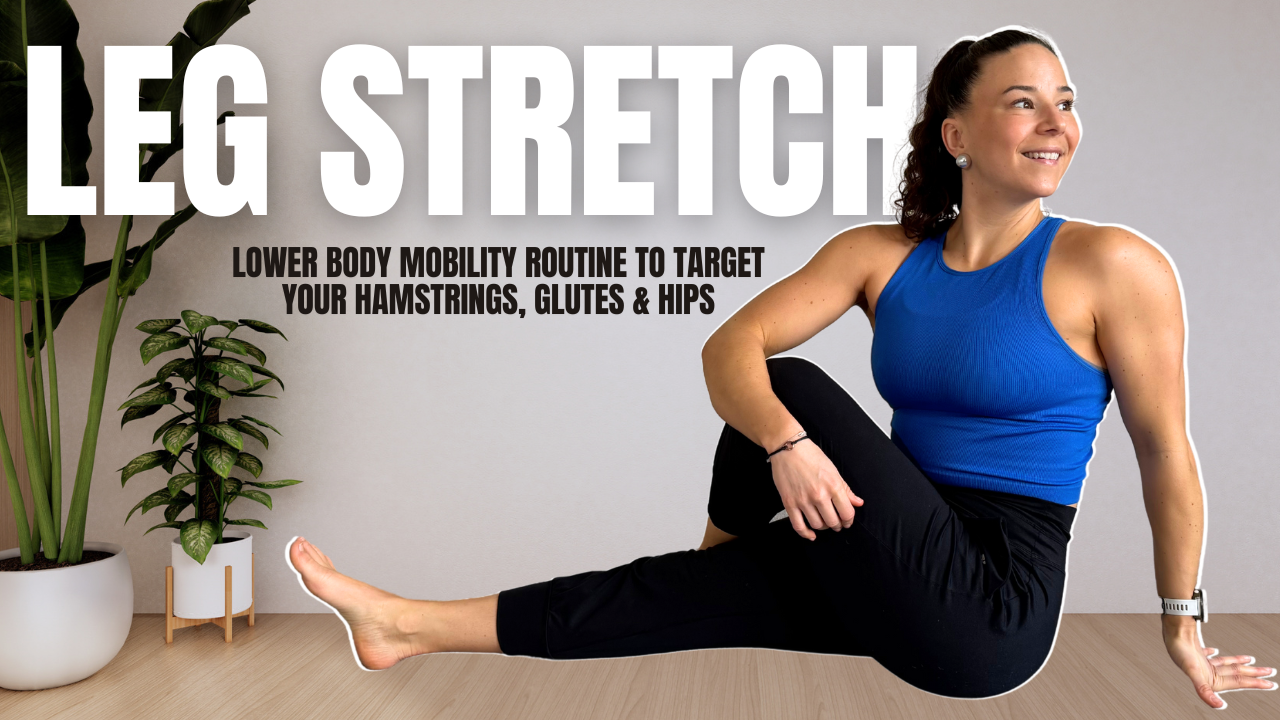
We’ve created a series of free follow-along mobility and stretch sessions specifically for people who lift and run. No guesswork. No overthinking. Just press play and move.
You can slot them in:
On rest days
After a run
After lower body lifting
Before bed to wind down
We’ll link 3-4 of our favourite sessions below so you can get started straight away.
Because recovery is much easier when someone else tells you what to do 😉
Why Mobility Matters
Mobility and stretching help:
Maintain joint range of motion
Improve lifting positions (hello deeper squats 👋)
Improve running stride efficiency
Reduce muscular tension
Speed up recovery between sessions
Think of mobility as maintenance for your engine. You wouldn’t drive your car hard every day and never service it.
Aim for:
5-10 minutes post-session
15-20 minutes on rest days
Focus on hips, hamstrings, calves, thoracic spine, and shoulders
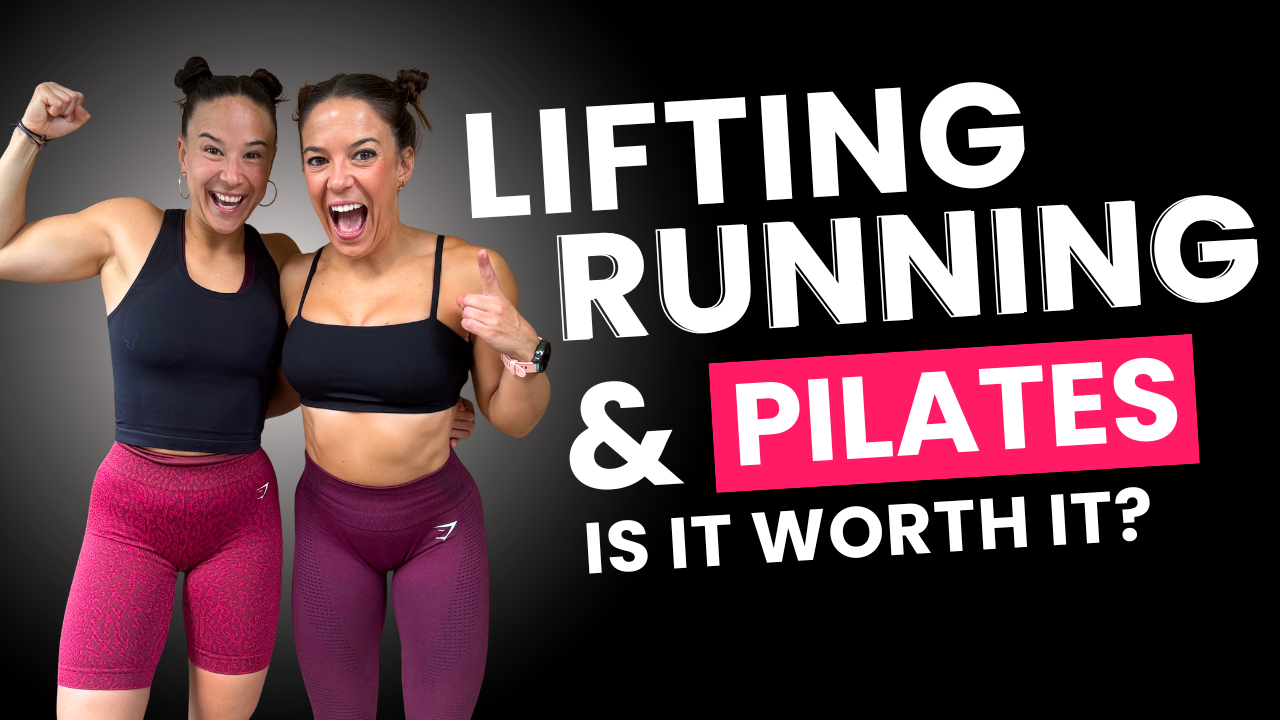
Including some pilates each week can also be super beneficial if you lift & run
Consistency > intensity here.
Recovery Tools We Recommend
Alongside sleep and good nutrition (your two biggest recovery pillars), these tools can help support your recovery routine:
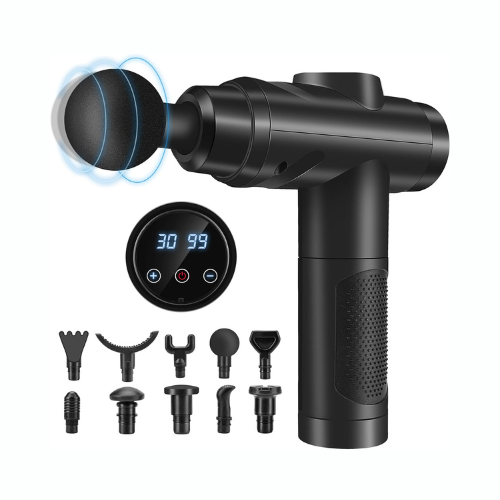
1️⃣ Massage Gun
Helps stimulate blood flow
Reduces muscle tightness
Can ease DOMS
Great before sessions to “wake up” muscles or after to relax them
Perfect for quads after heavy squats or calves after a long run.
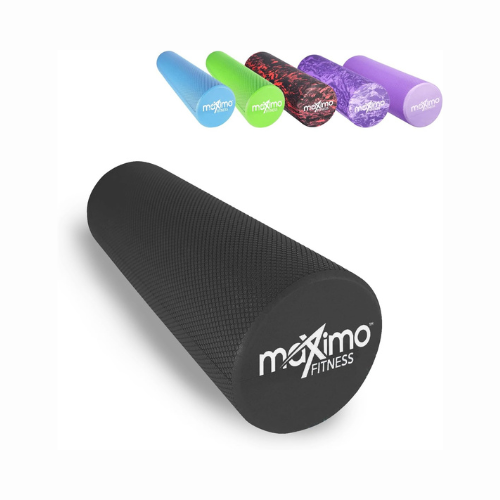
2️⃣ Foam Roller
A classic for a reason
Useful for self-myofascial release
Helps relieve tension and promote circulation
Spend time on glutes, hamstrings, lats and calves - especially during higher running mileage weeks.
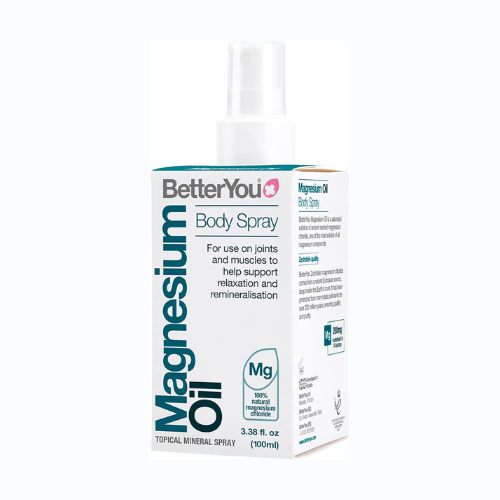
3️⃣ Magnesium Spray
May help ease muscle cramps
Supports relaxation
Can assist with sleep quality
Applying before bed can become part of a calming wind-down routine.
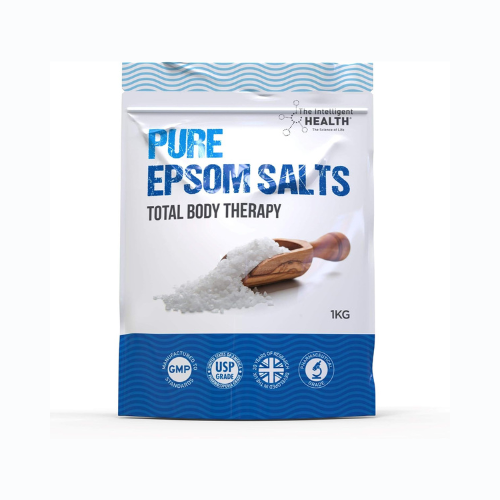
4️⃣ Epsom Salts
Great for post-long run or heavy leg day
Helps you relax and de-compress
Encourages full-body recovery
Bonus: it forces you to slow down for 20 minutes - which if you are like us you might struggle to do!
The Balance Between Pushing & Pulling Back
Hybrid athletes tend to be goal-driven. You want:
Heavier lifts
Faster splits
Longer distances
More progress
We love that energy.
But here’s the mindset shift:
Rest days are not lazy days.
They are performance days in disguise.
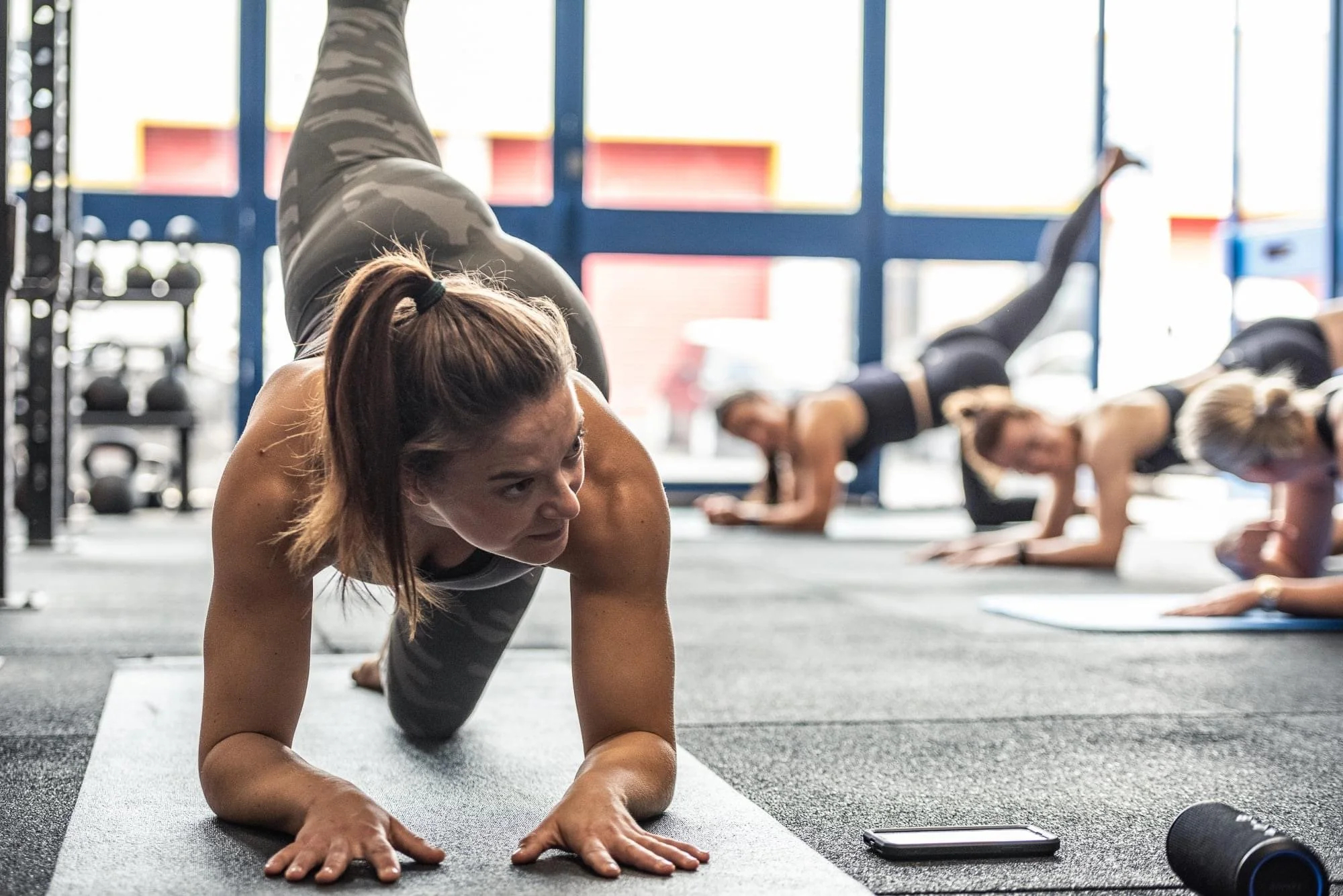
When you schedule 1-2 proper rest days per week and prioritise mobility and recovery work, you:
Lift stronger
Run smoother
Recover faster
Stay consistent long term
And consistency is what actually builds the body and performance you’re chasing.
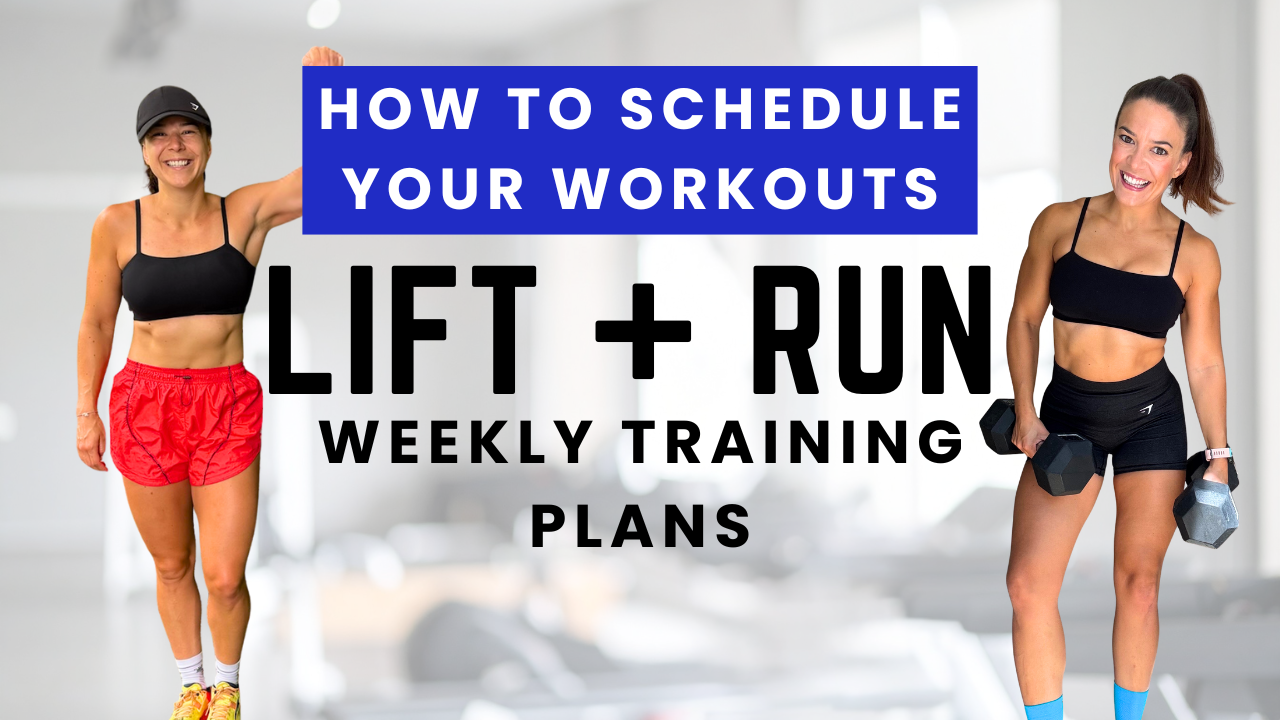
It doesn’t need to be complicated. It needs to be consistent.
And if you’re also keen to learn more about how to structure your training week then click here ➡️.
Final Thought
The strongest lifters.
The fastest runners.
The most consistent athletes.
They all recover well.
If you want to lift and run better, start respecting your rest days as much as your training sessions.

Move More.
Eat Well.
Recover properly!
Be Happy.
Lucy & Rosie 💙
We are both fully qualified personal trainers & have been coaching in person & online for over 10 years. If you’re looking for guidance on your lifting, running or recovery then you’re in the right place. Check out our online coaching services here!
Just so you know, this post contains affiliate links. This means we may earn a small commission should you make a purchase using our link. We only share links to item we have personally purchased and had a good experience with.
FIT Sisters Coaching (formally Family Inspired Training) is a participant in the Amazon EU Associates Program, an affiliate advertising program designed to provide a means for sites to earn commission incomes by advertising and linking to FIT Sisters Coaching.